ShopFloor Press
Quality and manufacturing news that touches the floor
In this edition
The Nov. 7 to 13, 2026 edition covers one automaker’s change to its process FMEA and control plan approval requirements, posted on the IATF Global Oversight news page, a reminder that a closed corrective action is a claim until the record shows the fix held, and the published date of ISO 9001:2026.
Quality Desk · Impact 75
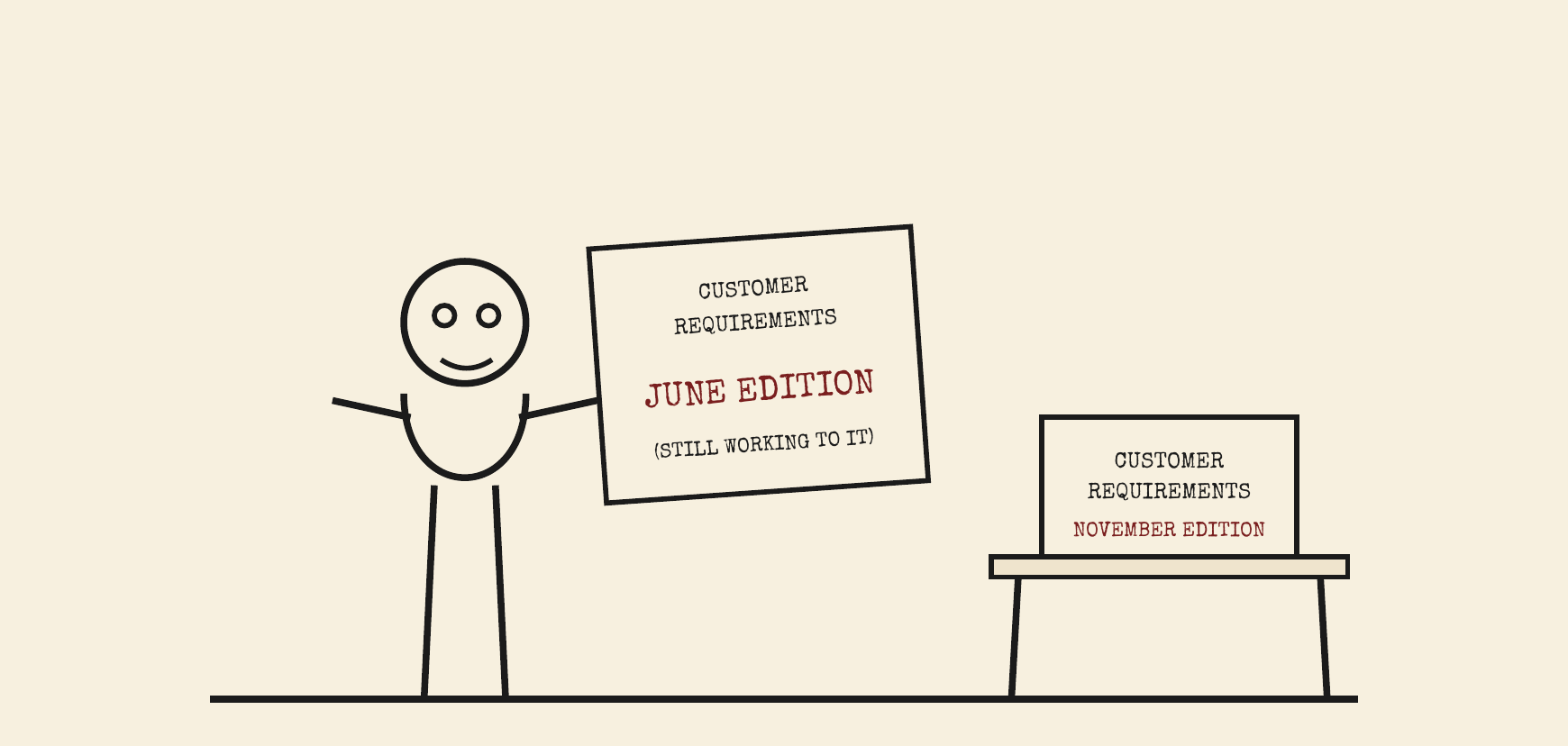
Which Edition Are You Working To?
On Nov. 11, IATF Global Oversight’s news page posted an update to a large automaker’s customer specific requirements. The IATF and PPAP documents are effective Nov. 9, 2026, and the page says they restore the process FMEA and control plan approval requirements in place before the June 2026 update. The June edition, effective June 15, 2026, said all process FMEAs and control plans needed the automaker’s approval, whatever the PPAP submission level. For safety and regulatory parts, the November edition requires the automaker’s engineering and STA acceptance of process FMEAs and control plans. It also says the automaker reserves the right to review and approve all organization developed process FMEAs.
The documents are written for programs that use the SCCAF process, so this is one automaker’s change and not an industry change. The page tells suppliers to “continue to follow the currently published CSRs applicable to their program.” Customer rules carry an edition and an effective date, and the copy you have on file may not be the current one.
On the floor Monday
Pick one live program. Write down the revision and effective date of each customer requirements document it runs on. Then check that your process FMEA and control plan approval step matches the current edition, and who signs it.
Source: IATF Global Oversight news page, Nov. 11, 2026, and the automaker’s June and November requirements documents, primary.
Quality Desk · Impact 55
Who Checked the Fix?
A closed corrective action shows the work was done. It does not show the problem stayed gone. An effectiveness check needs data from after the fix, and a person who did not own the action. When the owner closes the action and also signs the check, nobody else has looked at it. The test is to ask for the record: a date after the fix, a measurement or a count of repeats, and a name that is not the owner’s.
On the floor Monday
Pull your last five closed corrective actions. For each, find who verified it, the date of the check and the record that shows the problem did not come back. If the owner signed their own check, hand it to someone else.
Source: ShopFloorOps editorial.
Standards Beat · Checked Nov. 13
ISO 9001:2026, Published in September
A Quality Magazine piece dated Oct. 22 says ISO 9001:2026 was published in September 2026. No transition end date is printed here. Ask your certification body for yours.
Source: Quality Magazine, Oct. 22, 2026, secondary.